
The biggest branding mistake small businesses make is picking colors based on what they like instead of what actually works. At Xemex, we believe color is a strategic tool, not a random aesthetic choice—and when used correctly, it’s one of the most powerful ways to make your brand instantly recognizable.
If you want to stand out in Denver’s crowded market, you can’t afford to look like everyone else. And that starts with understanding how color actually works.
THE PROBLEM: EVERYONE PICKS THE SAME TIRED COLORS
Walk into any industry and you’ll see the same color patterns repeat endlessly:
- Restaurants: Red and yellow
- Healthcare: Blue and white
- Finance: Navy and gold
- Fitness: Black and red
- Wellness: Soft pink and sage green
These aren’t bad colors. But when everyone in your industry uses them, you become invisible. Your brand blends into the background.
The solution? Stop following the rules everyone else follows.
COLOR THEORY BASICS: THE FOUNDATION YOU NEED
THE COLOR WHEEL
Twelve segments: three primary colors (red, yellow, blue), three secondary colors (orange, green, purple), and six tertiary colors (the in-betweens).
COLOR RELATIONSHIPS
COMPLEMENTARY COLORS — Opposite on the wheel (blue/orange, red/green). High contrast, grabs attention.
ANALOGOUS COLORS — Next to each other (blue, blue-green, green). Harmonious and cohesive.
TRIADIC COLORS — Evenly spaced (red, yellow, blue). Vibrant and balanced.
MONOCHROMATIC COLORS — Different shades of one color. Clean and sophisticated.
WARM VS. COOL COLORS
- Warm (reds, oranges, yellows): energetic, bold, advance visually
- Cool (blues, greens, purples): calm, trustworthy, recede visually
Your brand’s color temperature should match your brand’s energy.

HOW TO BUILD A BRAND PALETTE THAT STANDS OUT
STEP 1: DEFINE YOUR BRAND PERSONALITY FIRST
Before you pick colors, answer these:
- What three words describe your brand?
- How do you want people to feel when they see your brand?
- What makes you different from competitors?
Your answers guide your palette. Bold and disruptive? Skip the pastels. Calm and grounding? Avoid electric neon.
STEP 2: RESEARCH YOUR INDUSTRY—THEN DO THE OPPOSITE
Look at your top competitors. What colors are they using? Now stand out.
If everyone uses blue, try warm terracotta. If everyone uses black and white minimalism, inject vibrant color. If everyone uses pastels, go bold and saturated.
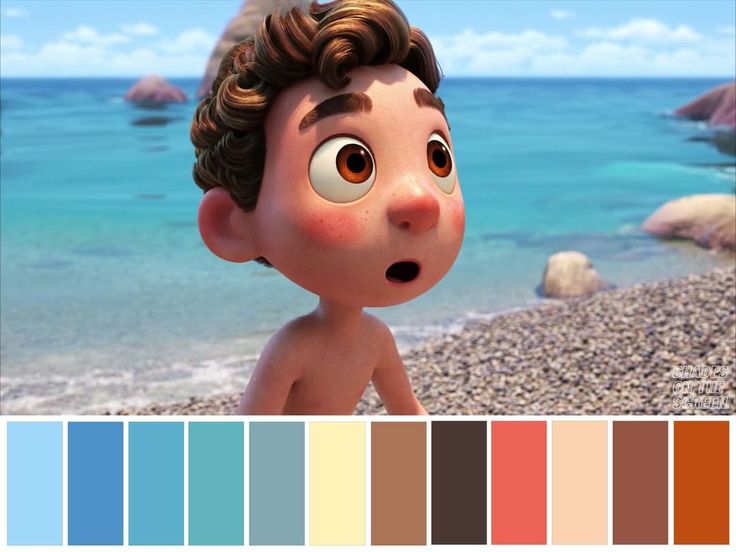
STEP 3: BUILD A 3-5 COLOR PALETTE
- Primary color — Your signature. Shows up everywhere.
- Secondary color — Supports your primary. Creates contrast.
- Accent color — Small doses for CTAs and highlights.
- Neutral colors — (1-2 shades) Background, text, breathing room.
Example:
Bold Coffee Shop (Anti-Cliché)
- Primary: Deep burgundy
- Secondary: Charcoal gray
- Accent: Burnt orange
- Neutrals: Cream and off-white
Compare that to the standard coffee shop brown-and-beige trap.

STEP 4: TEST YOUR PALETTE IN REAL CONTEXTS
Mock up your palette across your logo, website, social media, and print materials. Does it still work everywhere? Adjust before you launch.
STEP 5: STAY CONSISTENT
Lock in exact hex codes. Use them every time. Consistency makes your brand recognizable.
CLICHÉ COLORS TO AVOID (OR SUBVERT)
REAL ESTATE: Red, White, Blue
Alternative: Deep teal + warm gold + charcoal
WELLNESS/SPA: Soft Pink + Sage Green
Alternative: Terracotta + dusty lavender + cream
TECH STARTUPS: Electric Blue + Neon Green
Alternative: Deep navy + burnt orange + white
FITNESS: Black + Red
Alternative: Forest green + mustard yellow + black
THE PSYCHOLOGY OF COLOR
- Red: Energy, urgency, passion
- Blue: Trust, calm, professionalism
- Yellow: Optimism, warmth, attention
- Green: Growth, health, balance
- Orange: Creativity, enthusiasm
- Purple: Luxury, creativity, spirituality
- Black: Sophistication, power, elegance
- White: Purity, simplicity, space
Use this as a guide, not a rule. The combination matters more than individual colors.
THE XEMEX EDGE: WE BUILD BRANDS THAT LOOK AS GOOD AS THEY PERFORM

At Xemex, we build strategic palettes that align with your mission, resonate with your audience, and make you unforgettable. Whether it’s your logo, website, :57SecondPULSE video, or entire brand ecosystem, we make sure your colors work.
JOIN THE GRIND: WHAT’S YOUR BRAND’S COLOR STORY?
Thanks for grinding with us through another GLiTCH &GRiND post.
What colors represent your brand, and why did you choose them? Are you happy with your palette, or is it time for a refresh? Drop a comment below—we’d love to hear your color story.